Durable Beauty for Modern Floors & Outdoor Spaces
Stamped concrete has taken the construction and renovation world by storm — offering the elegance of high-end materials with the strength and affordability of concrete. Whether you're renovating your basement, upgrading your driveway, or designing a stylish patio, stamped concrete delivers both form and function.
What is Stamped Concrete?
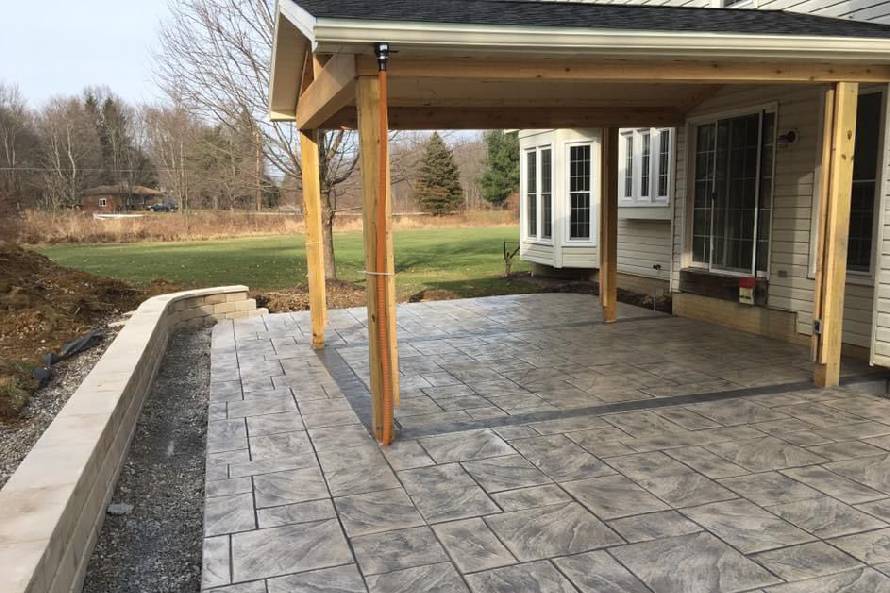
Stamped concrete is concrete that’s patterned, textured, or embossed to resemble materials like brick, stone, slate, tile, or even wood. It’s poured like regular concrete but stamped with unique designs before it hardens, creating a surface that is aesthetically pleasing, durable, and budget-friendly.
Key Benefits of Stamped Concrete
1. Cost-Effective Alternative to Natural Materials
Enjoy the look of expensive surfaces like cobblestone or hardwood without the high price tag.
2. Low Maintenance
Unlike pavers or natural stone, stamped concrete doesn’t have joints where weeds can grow. It's sealed for protection, making it easier to clean and maintain.
3. Durable & Long-Lasting
With proper installation and sealing, stamped concrete can last 20+ years — standing up to heavy traffic, weather, and wear.
4. Customizable Designs & Colors
Choose from a wide variety of patterns, textures, and shades to match your home’s exterior or interior aesthetic.
5. Fast Installation
Stamped concrete is quicker to install than laying individual stones or bricks, which saves both time and labor costs.
Where Can You Use Stamped Concrete?
Stamped concrete is incredibly versatile and can be used in various residential and commercial applications:
- Driveways
- Patios
- Sidewalks & Walkways
- Basement Floors
- Pool Decks
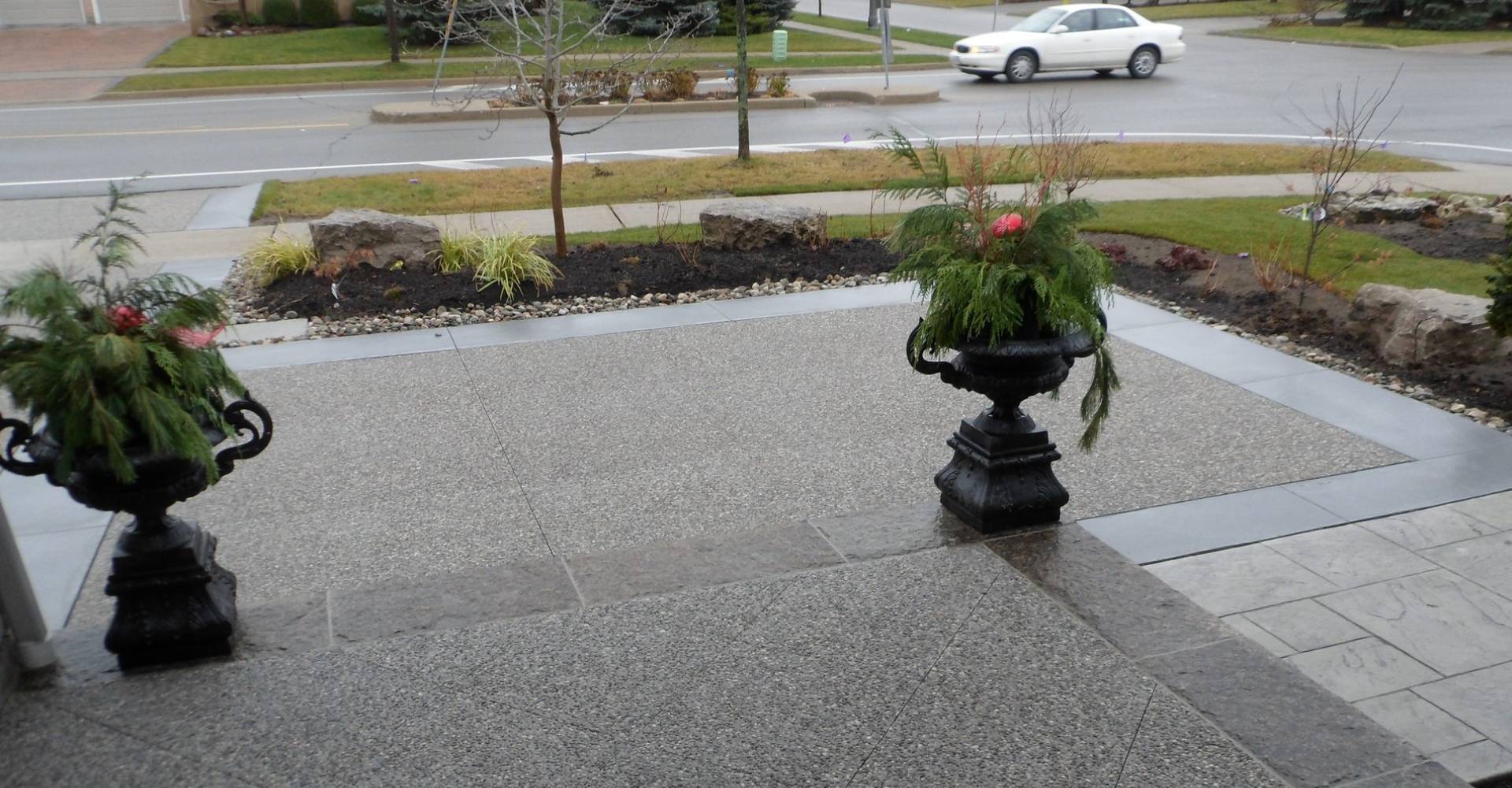
- Porches & Entryways
- Interior Floors (living rooms, dining areas)
The Installation Process
Here’s a quick overview of how stamped concrete is installed:
Site Preparation – The surface is excavated, leveled, and a sub-base is prepared.
Concrete Pouring – High-quality concrete mix is poured evenly across the area.
Coloring – Integral color or color hardeners are added to the concrete.
Stamping – While the concrete is still soft, patterned stamps are pressed into the surface.
Curing & Sealing – After drying, a sealant is applied to protect against stains, moisture, and wear.
Pro Tip: Regular resealing (every 2–3 years) keeps your stamped concrete looking fresh and vibrant.
Maintenance Tips
- Sweep or hose off dirt regularly
- Avoid harsh chemicals
- Use a mild detergent and soft broom for deep cleaning
- Reseal as recommended to prevent fading or cracking
Interested in custom stamped concrete flooring or full basement renovation? Contact us today for a free consultation. Let our expert team help you design a space that's as strong as it is stunning.